
Explore 3D Virtual Art Galleries
Browse 368 virtual art galleries on Galerra. Walk through immersive 3D exhibitions featuring photography, digital art, traditional art, and more.
Featured galleries
- The Contemporary Race: challenging disappearance through modernity — 14 views
- Символ памяти моей малой Родины — 14 views
- Museu Virtual do Impressionismo — 13 views
- رحلة إلى النور — 13 views
- Galerie Sun — 13 views
- The Mold: Women Shaped by Expectation — 13 views
- The Power of Representation — 13 views
- Reclaiming the Body: Identity, Gender, and Stereotypes in Art — 13 views
- Feminist Activist Art and Gender Inequality in Museums — 13 views
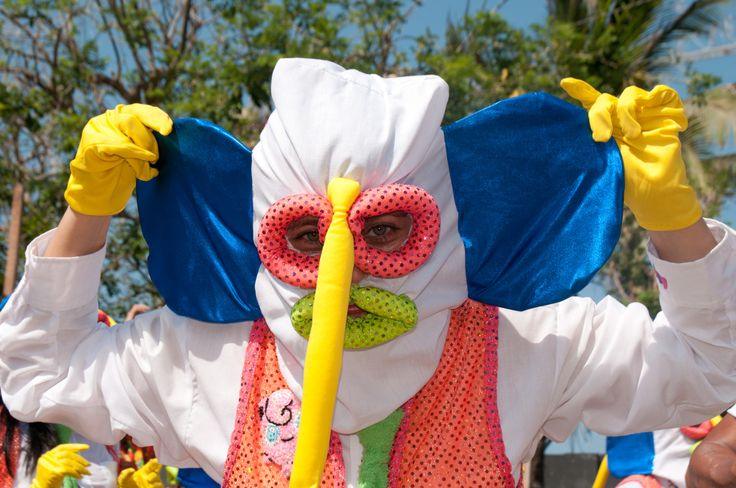
- Heritage Across Borders: Mexico & Colombia traduce — 13 views
- Human Emotion and Identifying Expression — 12 views
- Behind the Portrait: Identity in Renaissance Art — 12 views
Discover
galleries.
Walkable 3D exhibitions by artists worldwide. Click any to step inside.
Create your own — free



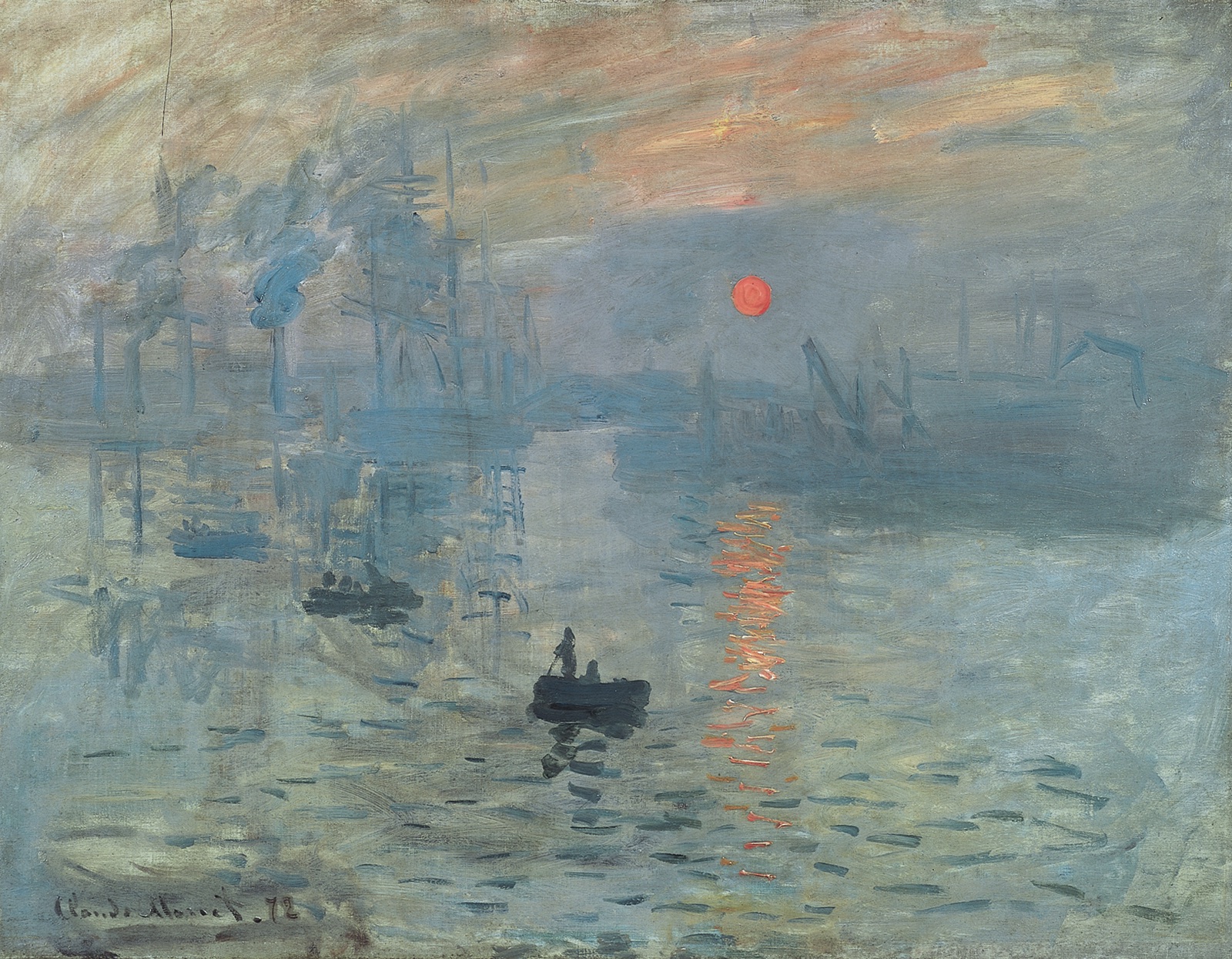
Museu Virtual do Impressionismo

Bem-vindos ao Museu Virtual do Impressionismo! Este espaço apresenta algumas das principais obras e artistas desse movimento artístico que surgiu na França no século XIX. O Impressionismo ficou conhecido pelo uso de cores, luzes e pinceladas rápidas, buscando representar momentos do cotidiano e as diferentes formas como a luz transforma uma paisagem ou uma cena. Ao longo deste museu, você poderá conhecer cinco obras importantes e descobrir um pouco mais sobre seus artistas, suas técnicas e a história por trás de cada pintura. Boa visita! Aluna: Natalia Lang Turma: 102


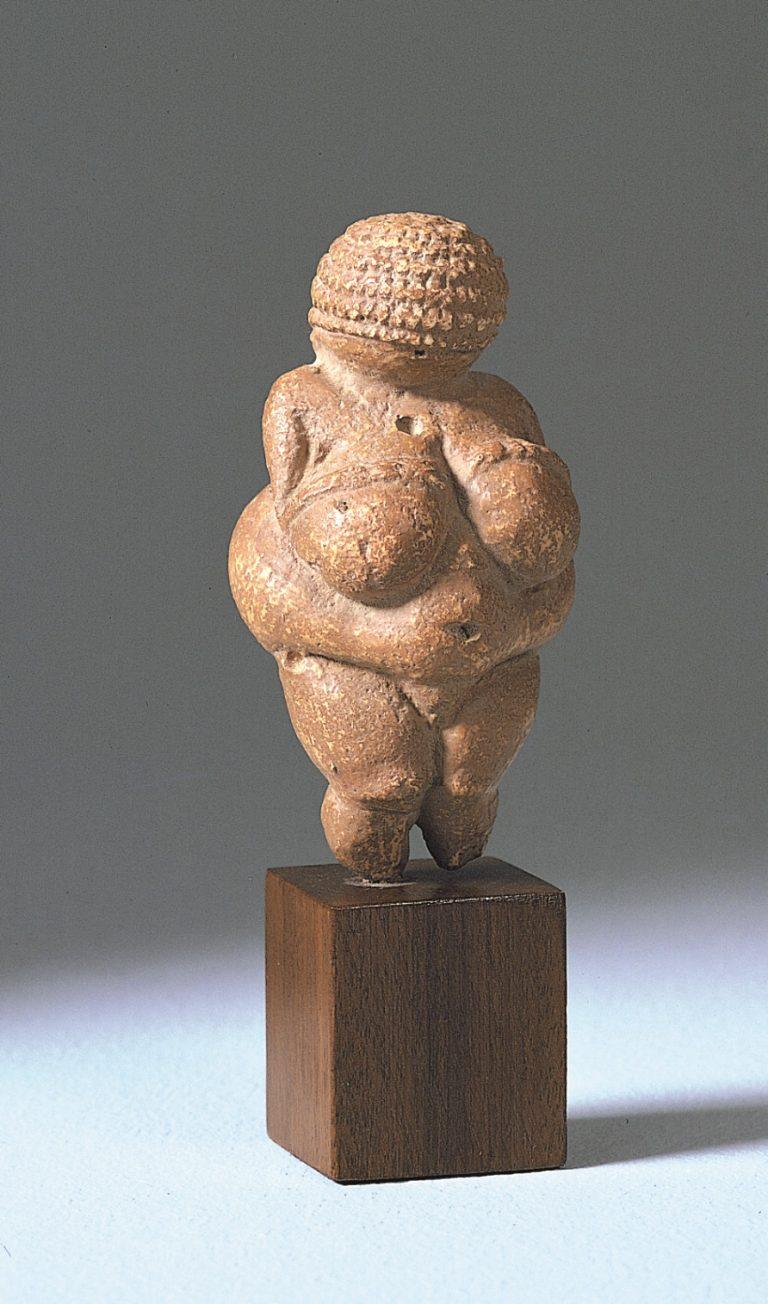
The Mold: Women Shaped by Expectation

In this gallery, I want to highlight what it means to be a woman in today’s society and how those expectations have existed for centuries. Each artwork shows a different stage of womanhood and the emotional and physical pressures attached to it. I chose works that carry feelings of vulnerability, exhaustion, constraint, and grief. The exhibition follows a progression from childhood innocence into pressure from society, mental exhaustion, marriage, and motherhood. Together, these works show how women are shaped, confined, and emotionally consumed by expectations that have been instilled into society for centuries. Jo March in Little Women (2019) expresses, “Women have minds and they have souls as well as just hearts. They’ve got ambition and they’ve got talent as well as just beauty. I am so sick of people saying that love is just all a woman is fit for. I’m so sick of it! But — I am so lonely.” The first half of this quote connects to ambition and the desire to be seen as more than beauty, marriage, and motherhood. The second half reveals emotional isolation that can come from resisting those expectations. Even when women push against the mold society creates for them, they can still end up exhausted by it and left grieving the identity they could have had. I plan to begin the gallery with artwork that represents the physical mold women are expected to fit into from the beginning of history. The Venus of Willendorf is a small prehistoric sculpture with exaggerated breasts, hips, and a rounded stomach, while the face lacks any defining features. It represents the reduction of women to fertility and childbearing, with little individuality. This connects to my concept of women being shaped by expectation rather than seen as full individuals. From there, the exhibition transitions into childhood and adolescence. Little Fourteen-Year-Old Dancer by Edgar Degas shows a young dancer standing upright with pride and poise, wearing a bodice and tutu, yet her expression and posture also suggest exhaustion. It reflects the pressure young girls face to appear graceful, disciplined, and perfect, showing how early women begin to mold themselves into societal expectations. The middle of the gallery focuses on emotional and physical exhaustion. The Broken Column by Frida Kahlo shows her standing upright, her body split open and held together by a crumbling column and restrictive corset. It captures both suffering and strength, reflecting the hidden exhaustion women often carry while still being expected to remain composed. The exhibition then moves into marriage and the loss of individuality. The Bride by Gustav Klimt shows a bride absorbed into swirling color, crowded figures, and fragmented forms, becoming part of the chaos rather than standing apart. It reflects the pressure of marriage and the loss of individuality within societal roles. The final artwork focuses on motherhood and quiet grief. The Child’s Bath by Mary Cassatt shows a mother washing her child’s feet in a muted, patterned domestic scene. The subdued colors suggest emotional exhaustion and routine. It reflects how women can lose parts of their identity through constant caregiving. Together, these works complete a progression showing how women are shaped over time by expectation.
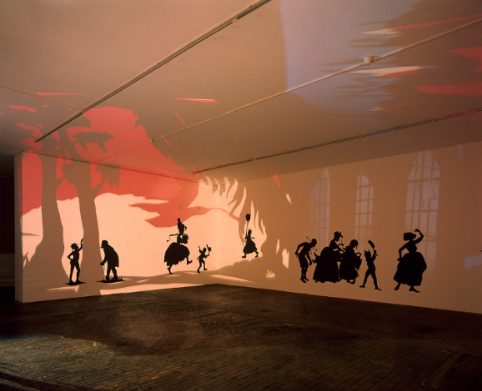

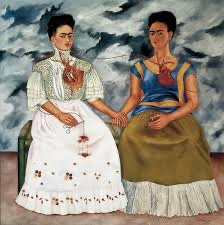
Reclaiming the Body: Identity, Gender, and Stereotypes in Art

This exhibition analyzes how contemporary artists apply the human body in their compositions to question long-standing beliefs about visual appeal, the female gender, sexuality, and identity. For ages, bodies in art were quite often romanticized or shaped through the lens of influential populations. The artists in this exhibition reclaim representation by presenting bodies in broken, distorted, exposed, symbolic, or deeply intimate ways. Rather than showing the female body as flawless or submissive, these artworks analyze identity as something expressive, political, and constantly evolving. Some artists question stereotypes tied to the female gender, while others emphasize performance or traditions. Collectively, these works of art reveal how the body can become a platform for resistance, self-expression, and transformation. Art historian Griselda Pollock argues that feminist and modern day creators confront conventional structures of representation by reclaiming power over how bodies are seen and understood. Instead of perfecting and idealizing the human figure, many artists concentrate on lived experience, individuality, and social identity. This exhibition supports Pollock’s ideas by showcasing artworks that redefine the body beyond traditional artistic conventions and challenge the audience to reassess how identity is shaped through imagery. The gallery starts with artworks that are clearly identifiable figures and showcase artists that are very familiar to the general public. The order allows viewers to observe a progression from recognizable female figures to concepts of femininity reinforced by society. Early works show artists confronting stereotypes, while later works focus on how society views female bodies as a whole. As the exhibition continues, it transitions into more conceptual representations of the body that reveal themes such as public perception, femininity, vulnerability, and pain. The final works become progressively more symbolic, showing identity not as rigid, but instead as fluid and constantly developing. The exhibition begins with Frida Kahlo’s The Two Fridas, which confronts how societal stereotypes shape not only how the artist is seen, but also how she sees herself, revealing an internal conflict. The work examines the impact of social pressure on identity and questions contradictory stereotypes that influence self-perception and representation. From there, the exhibition moves to Yoko Ono’s Cut Piece, where the body becomes both artwork and site of power struggle. Through performance, Ono presents the body as vulnerable and exposed, demonstrating how women’s bodies can be controlled or objectified in public space while also reclaiming agency through participation and action. Barbara Kruger’s Your Body is a Battleground expands these ideas by directly addressing how women’s bodies are controlled and represented in society. Its political message encourages viewers to consider power over the body in relation to gender and reproductive rights. Catherine Opie’s Self-Portrait/Cutting then shifts the focus toward personal identity and belonging. Using her own body as both subject and medium, Opie transforms self-representation into something literal and embodied, communicating identity, love, exclusion, and lived experience. The exhibition concludes with Ana Mendieta’s Untitled (Silueta Series, Mexico), in which the body is present through absence, trace, and connection to nature. By redefining self-representation without direct visibility, Mendieta suggests that identity can exist through memory, culture, and environment rather than physical appearance alone. Together, these artworks demonstrate how contemporary artists challenge traditional representations of the body and redefine identity as complex, contested, and constantly evolving.
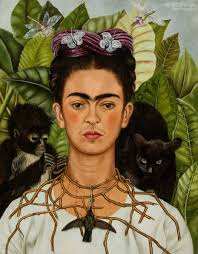
Feminist Activist Art and Gender Inequality in Museums

This gallery shows gender Inequality in museums and how male artists often get more attention and space than women artists. I selected these works to show this imbalance in a visual way by combining well-known museum pieces, a feminist artwork, and statistics. Together, the images help show how Representation in museums is not equal and is shaped by decisions about what is valued and displayed.

Human Emotion and Identifying Expression

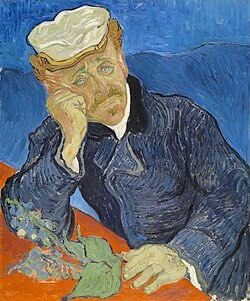
The exhibit will talk about the evolution and evoking of human emotion in art from the Medieval period to the Expressionism period. The way human beings were art has evolved greatly over these periods, and a flair for drama has also influenced art in the depiction of human emotion and storytelling to create the concept of evoking human emotion in artwork. This exhibit also uses a lot of portraits, to show the differences in each period and to focus on the human face, but also statues and other paintings.
Behind the Portrait: Identity in Renaissance Art

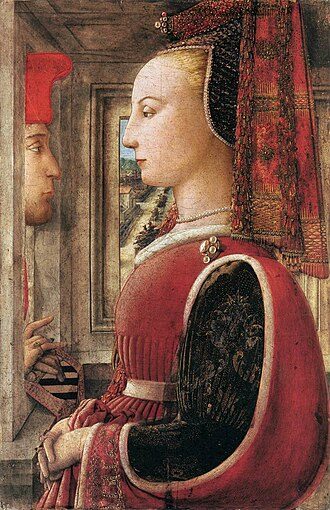
My exhibition, Behind the Portrait: Identity in Renaissance Art, explores how Renaissance artists used portraiture to communicate a person’s identity. A portrait can show what someone looked like, but it can also give viewers information about their personality, social status, beauty, relationships, and place in society. The five artworks in this exhibition demonstrate how artists used facial expressions, clothing, jewelry, poses, backgrounds, and symbolic objects to tell viewers more about the people they painted. The main concepts connecting these works are identity, expression, status, symbolism, and individuality. An important idea behind this exhibition is Renaissance humanism. Humanism placed greater importance on human experiences, individuality, and observation of the natural world. This influenced Renaissance artists to become increasingly interested in realistic representations of people. Portraits allowed artists to show recognizable individuals while also communicating information about their lives and social positions. Elements such as color, line, texture, contrast, emphasis, and composition helped artists guide the viewer’s attention and create meaning. I arranged the five artworks in an order that shows different ways identity can be represented. The exhibition begins with Fra Filippo Lippi’s Portrait of a Woman with a Man at a Casement. The woman’s profile, elaborate clothing, jewelry, and relationship to the man communicate ideas about marriage, wealth, and social status. Her identity seems strongly connected to how she is presented within Renaissance society. Next is Leonardo da Vinci’s Ginevra de’ Benci. This portrait begins to feel more personal because Leonardo places greater emphasis on Ginevra’s face and expression. The juniper behind her also adds symbolism and connects to her identity. Domenico Ghirlandaio’s Portrait of Giovanna Tornabuoni follows. Her clothing, jewelry, book, and other objects show how material objects can communi