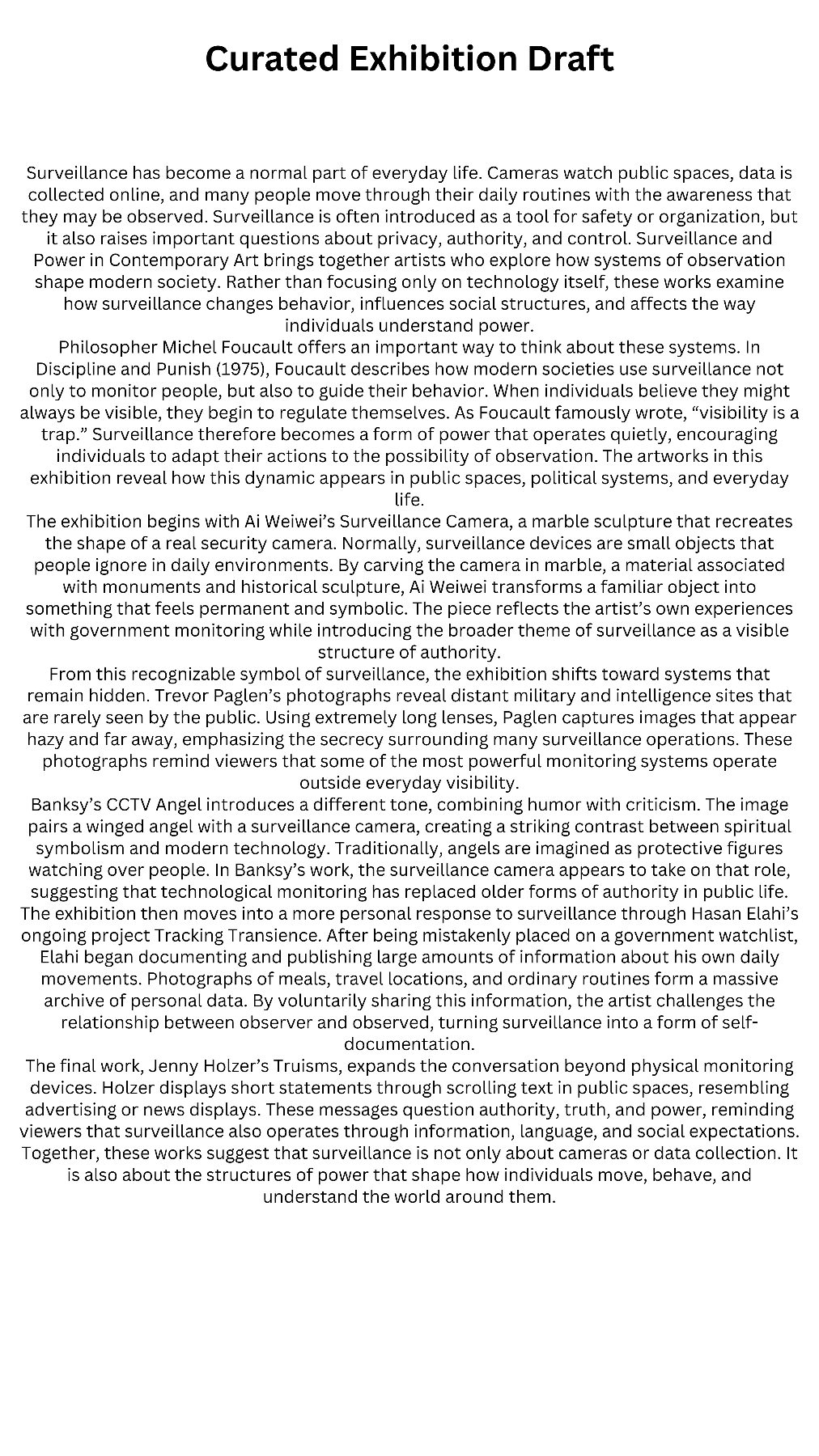
Ai Weiwei — Surveillance Camera (2010) Artist: Ai Weiwei Title: Surveillance Camera Year: 2010 Medium: Marble sculpture Dimensions: approx. 25 × 60 × 30 cm (varies by exhibition) Collection: Various museum collections and gallery exhibitions (2026) — Ai Weiwei’s marble camera transforms a common security device into a monument-like
object. The use of marble is significant because the material is historically associated with
classical sculpture and public monuments that commemorate important figures or events.
By carving a surveillance camera in marble, the artist suggests that surveillance has become
a permanent feature of contemporary society. What is normally a small and often ignored
object suddenly feels heavy, permanent, and unavoidable. The sculpture also forces viewers
to confront the presence of surveillance directly. In everyday life, people often ignore
cameras mounted on ceilings or walls. In a gallery setting, however, the object becomes
impossible to overlook. The work raises questions about power, authority, and privacy. It
also reflects Ai Weiwei’s own experiences with government monitoring and political
control. As the opening piece of the exhibition, it clearly introduces the theme of
surveillance while encouraging viewers to consider how easily systems of monitoring
become accepted as normal parts of modern life
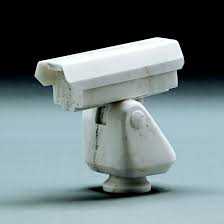
Trevor Paglen — Limit Telephotography (2010) Artist: Trevor Paglen Title: Limit Telephotography (series) Year: 2010 Medium: Chromogenic color photograph Dimensions: approx. 101.6 × 127 cm (40 × 50 in) Collection: Various museum collections including the Metropolitan Museum of Art and Smithsonian (2026) — Paglen’s photographs expose the physical spaces where surveillance and military
technologies operate. Unlike traditional documentary photography that clearly reveals its
subject, these images often appear distant, hazy, or difficult to interpret. This visual
uncertainty becomes part of the meaning of the work. The blurred landscapes and barely
visible structures reflect the secrecy surrounding many surveillance programs. Viewers are
forced to search the image carefully to identify the hidden installations within the
landscape. This experience mirrors the difficulty the public faces when trying to understand
government surveillance systems. Paglen’s work suggests that powerful monitoring
technologies exist far beyond the everyday spaces people occupy. By photographing these
distant sites, the artist reveals how surveillance infrastructure operates quietly and often
invisibly. Within the context of this exhibition, the work expands the conversation about
surveillance by showing that control is not only present in visible cameras but also in
remote locations that remain largely unknown to the public.
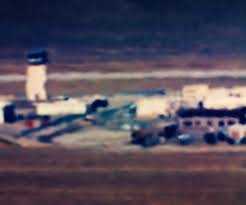
Banksy — CCTV Angel (2007) Artist: Banksy Title: CCTV Angel Year: 2007 Medium: Stencil and spray paint on wall (street art) Dimensions: Varies depending on the wall surface Location: Originally installed in public urban spaces in the United Kingdom (2026) — Banksy’s CCTV Angel introduces humor and satire while still addressing serious political
themes. The pairing of an angel with a surveillance camera creates an unexpected visual
comparison. Angels traditionally symbolize protection, morality, or divine observation,
while CCTV cameras represent modern technological monitoring. By placing these two
symbols together, the artwork suggests that surveillance cameras have become a new form
of authority watching over public life. The stencil style makes the message easy to read
quickly, which is important in street art where viewers may only see the image briefly.
Because the work appears in public space, it directly interacts with the real surveillance
systems installed in cities. This makes the artwork feel both humorous and unsettling.
Within the exhibition, the piece encourages viewers to think about how easily societies
accept surveillance in everyday environments. It also adds a critical perspective that
questions whether constant monitoring truly provides protection or simply reinforces
systems of control.
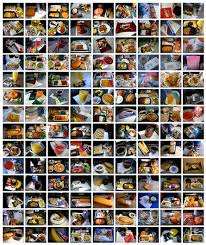
Hasan Elahi — Tracking Transience (2003–present) Artist: Hasan Elahi Title: Tracking Transience Year: 2003–present Medium: Digital photography, GPS tracking data, web-based installation Dimensions: Variable (digital installation / ongoing archive) Collection: Exhibited internationally in museums and galleries including the Venice Biennale and the Centre Pompidou (2026) — Tracking Transience presents a very different response to surveillance compared with the
other works in the exhibition. Instead of resisting monitoring, Hasan Elahi intentionally
publishes large amounts of information about his daily activities. The project includes
photographs of meals, hotel rooms, airports, streets, and many other routine moments.
Individually these images appear simple, but together they create a massive archive of
personal data. The repetitive structure of the project resembles the visual layout of
surveillance databases used by governments or corporations. By voluntarily producing this
archive, Elahi disrupts the usual relationship between observer and observed. Rather than
hiding from surveillance, he overwhelms it with excessive information. This strategy raises
questions about privacy, transparency, and control in the digital age. Within the exhibition,
the project shows that surveillance does not only come from authorities but can also involve
participation and self-documentation. It challenges viewers to consider how much personal
information people already share through digital technologies
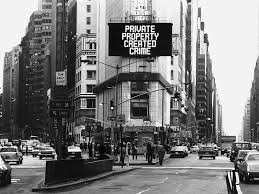
Jenny Holzer — Truisms (1977–1979) Artist: Jenny Holzer Title: Truisms Year: 1977–1979 Medium: LED installation, electronic signboards, posters, projections Dimensions: Variable depending on installation Collection: Museum of Modern Art (MoMA), Guggenheim Museum, and other collections (2026) — Holzer’s Truisms expands the theme of surveillance by focusing on language and
information rather than physical technology. The work consists of short statements such as
“Protect me from what I want” or “Abuse of power comes as no surprise.” Displayed on LED
signs and public billboards, the messages resemble advertisements or official
announcements. This familiar presentation encourages viewers to initially trust the format
before questioning the content. Because the statements appear in public space, they blur the
boundary between art, information, and political messaging. The work highlights how
authority can influence behavior through communication and repeated messages. In the
context of this exhibition, Truisms suggests that surveillance and power do not operate only
through cameras or monitoring devices. Control can also exist through ideas, language, and
public narratives that shape how people think about authority and social order.
1
2026
Ai Weiwei — Surveillance Camera (2010) Artist: Ai Weiwei Title: Surveillance Camera Year: 2010 Medium: Marble sculpture Dimensions: approx. 25 × 60 × 30 cm (varies by exhibition) Collection: Various museum collections and gallery exhibitions
2026
Trevor Paglen — Limit Telephotography (2010) Artist: Trevor Paglen Title: Limit Telephotography (series) Year: 2010 Medium: Chromogenic color photograph Dimensions: approx. 101.6 × 127 cm (40 × 50 in) Collection: Various museum collections including the Metropolitan Museum of Art and Smithsonian
2026
Banksy — CCTV Angel (2007) Artist: Banksy Title: CCTV Angel Year: 2007 Medium: Stencil and spray paint on wall (street art) Dimensions: Varies depending on the wall surface Location: Originally installed in public urban spaces in the United Kingdom
2026
Hasan Elahi — Tracking Transience (2003–present) Artist: Hasan Elahi Title: Tracking Transience Year: 2003–present Medium: Digital photography, GPS tracking data, web-based installation Dimensions: Variable (digital installation / ongoing archive) Collection: Exhibited internationally in museums and galleries including the Venice Biennale and the Centre Pompidou
2026
Jenny Holzer — Truisms (1977–1979) Artist: Jenny Holzer Title: Truisms Year: 1977–1979 Medium: LED installation, electronic signboards, posters, projections Dimensions: Variable depending on installation Collection: Museum of Modern Art (MoMA), Guggenheim Museum, and other collections
2026
Immersive Experience
Walk through this gallery in 3D
Step inside a virtual gallery space. Walk up to each artwork. See them as they were meant to be seen.