Explore 3D Virtual Art Galleries
Browse 133 virtual art galleries on Galerra. Walk through immersive 3D exhibitions featuring photography, digital art, traditional art, and more.
Featured galleries
- 10815안영채 — 4 views
- יכחגוכ — 4 views
- Vun si — 4 views
- Howard's Gallery — 3 views
- Kritsada's Gallery — 3 views
- Time run: Art of Africa — 3 views
- Reflections of Us — 3 views
- Lydia's Gallery — 3 views
- Charles's Gallery — 3 views
- Curated Exhibition Project — 3 views
- Dan's Gallery — 3 views
- Nadia's Gallery — 3 views
Discover
galleries.
Walkable 3D exhibitions by artists worldwide. Click any to step inside.
Create your own — free









Reflections of Us

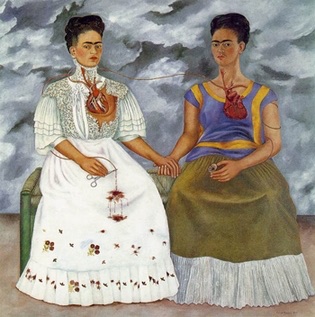
I chose the theme of identity and art while focusing specifically on women’s stereotypes and representation. My exhibition, Reflections of Us, explores different expectations society has placed on women and how artists have shown or challenged those expectations. Some of the stereotypes I focus on are the idea that women should be quiet and passive, that women are mainly valued for their appearance or bodies, they are naturally supposed to be caregivers, and how their accomplishments are often less recognized. These stereotypes can make women feel as if they need to fit into one specific role instead of being able to have different identities, emotions, experiences, and goals. The artworks in my exhibition show different sides of women’s identities and demonstrate how art can challenge these limited ideas. The main theory I am using for this exhibition is self-representation. Women have often been represented through images and expectations created by society that can lead to stereotypes about how they look or act. Self-representation allows women to have more control over their own stories, bodies, emotions, cultures, and identities. Frida Kahlo’s statement, “I paint self-portraits because I am often so alone, because I am the person I know best,” connects to this idea because she uses her own body and experiences to represent herself. Barbara Kruger challenges the expectation that women should remain quiet, Judy Chicago brings overlooked women into historical appreciation, and Faith Ringgold represents Black women through creativity, community, and storytelling. I chose The Two Fridas by Frida Kahlo because it shows that a woman’s identity can have many different sides. The two figures represent different parts of Kahlo’s identity, including her cultural background and personal experiences. The painting challenges the idea that women should be defined by one role or relationship. I chose Rage + Women = Power by Barbara Kruger because it challenges the stereotype


Curated Exhibition Project

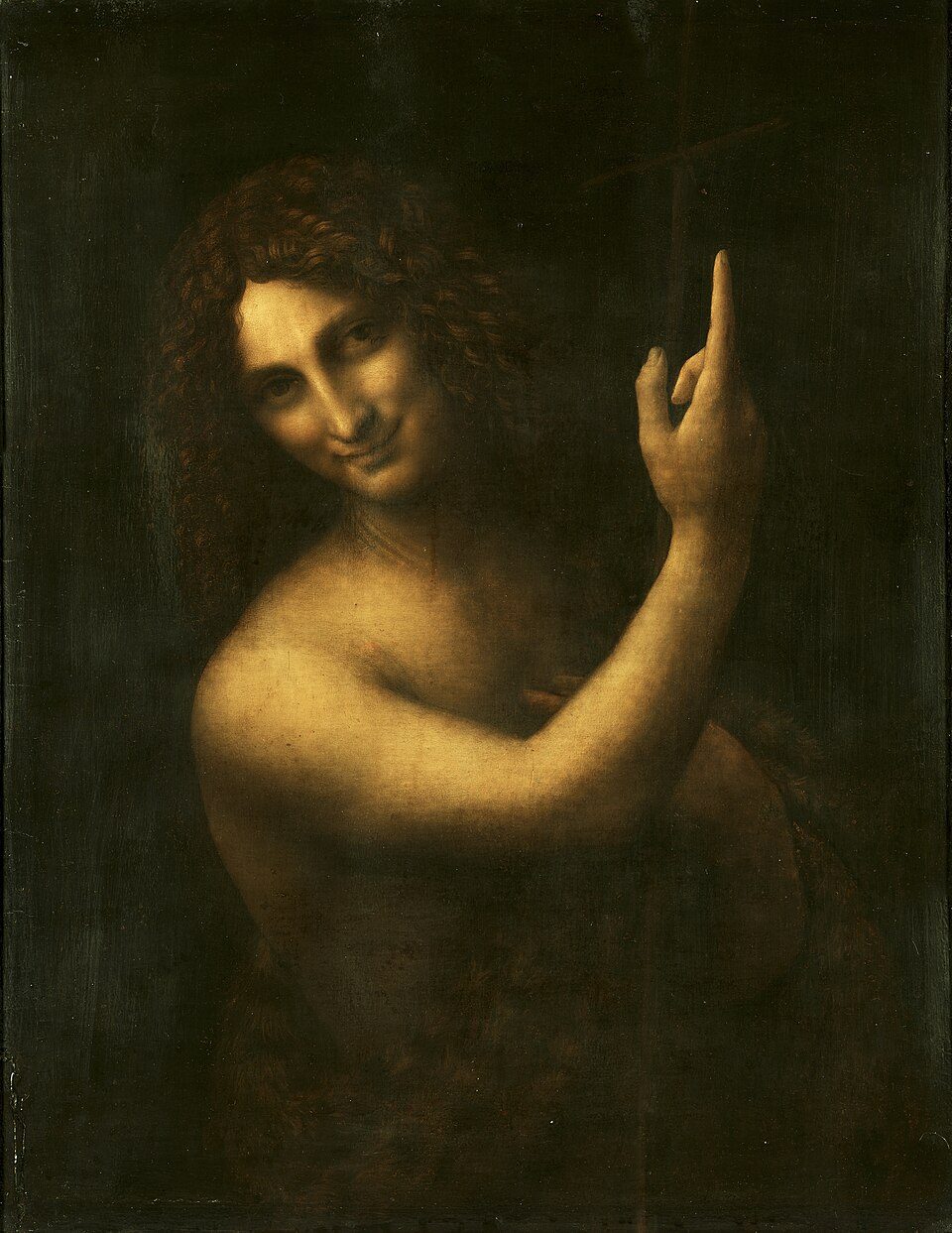
Who Controls the Gaze? Identity, Representation, and Power in Portraiture Portraiture is often understood as a way of recording a person's appearance, but the act of creating and viewing a portrait also determines how a person is understood. This exhibition explores the changing relationship between the viewer and subject by examining who controls representation, how identity is constructed, and who is given the authority to occupy the position of the subject. The five artworks are arranged chronologically and conceptually to move the viewer from interpreting another person's identity toward recognizing the subject's increasing control over how they are represented. The exhibition begins with Leonardo da Vinci's Saint John the Baptist (c. 1508–1516). The centralized figure, dramatic chiaroscuro, ambiguous smile, and direct gaze create a subject who is recognizable but psychologically difficult to understand. The viewer is placed in the position of interpreting Saint John's identity while Leonardo controls what is revealed. This establishes the exhibition's starting point: the viewer looks at the subject, while the artist controls the representation. Frida Kahlo's The Two Fridas (1939) changes this relationship by making the artist herself the subject. Kahlo presents two versions of herself, using contrasting clothing, exposed hearts, and connected blood vessels to construct an identity that is multiple rather than singular. The viewer is no longer simply interpreting someone else's identity; the artist actively determines how her identity is presented. Kehinde Wiley's Napoleon Leading the Army over the Alps (2005) expands the question of identity into one of historical power. Wiley appropriates the visual language of European equestrian portraiture and replaces Napoleon with a contemporary Black man. The work challenges the colonial gaze and the historical exclusion of Black subjects from monumental representations of authority. By changing who occupies